
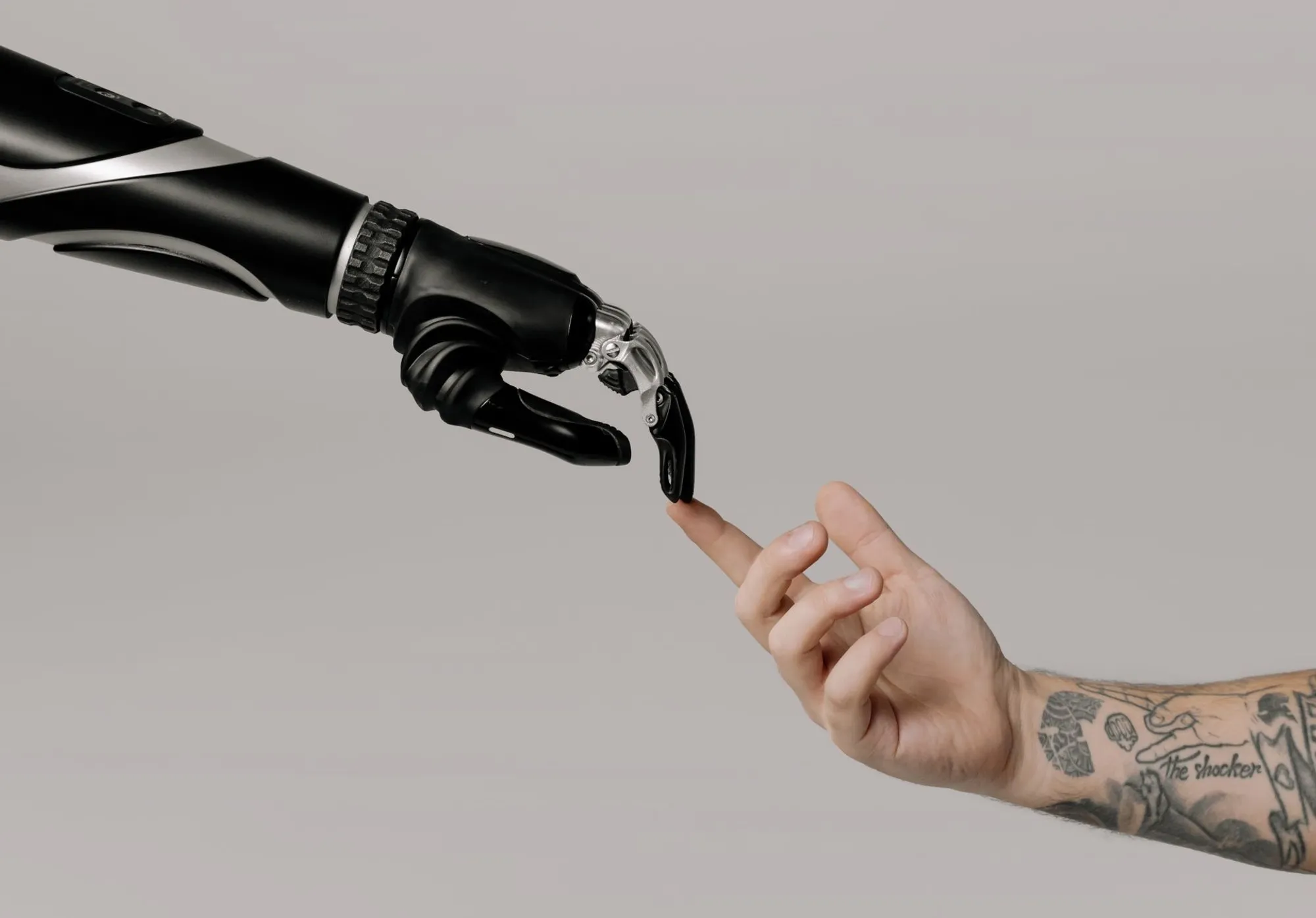
*Photo by cottonbro studio
In the software development world, it is common to hear a comforting idea: technology is just a tool. We often tell ourselves that platforms, applications, and algorithms are neutral, and that it is solely up to the user to decide how they are applied.
But as the Center for Humane Technology has profoundly pointed out, technology is not neutral. A hammer might be neutral, waiting for a human hand to swing it, but modern software is fundamentally different. It is driven by business models, optimization goals, and design choices that actively shape our behavior, influence our psychology, and alter our social fabric.
As we navigate the explosive growth of Artificial Intelligence, acknowledging that our creations are not neutral is the first step toward building a future. At Afectivo, we know that building software is about more than just code; it requires a human, ethical, and responsible vision. History offers us a powerful, hopeful precedent.
Innovation with Boundaries: The Lesson of the Cloning Ban
In 1996, the birth of Dolly the sheep proved that the science fiction of cloning a mammal was suddenly within our technical grasp. For many, the potential applications were vast and complex. Yet, humanity did something remarkable: we paused.
Recognizing the profound ethical risks (the commodification of life, the threat of eugenics, physiological dangers, and the devastating psychological burden on cloned individuals) the global community came together. Through treaties, national laws, and the 2005 UN Declaration on Human Cloning, society established a firm boundary. We collectively decided that just because we can build something, doesn’t mean we should. Today, the ban on human cloning proves that technological determinism is a myth. When a technology questions our core humanity or ethical standards, we can collaborate to establish boundaries that protect us.
The AI Era: Guiding Innovation with Purpose
At its best, AI accelerates breakthroughs, transforms industries and optimizes sustainable solutions. But because technology isn’t neutral, the default trajectory of AI influenced by market dynamics carries risks. Algorithmic bias, cognitive offloading, and the supercharging of the attention economy can impact human well-being. If we optimize AI purely for engagement or processing speed without considering the human cost, we risk building systems that could make us more vulnerable.
How We Build Humane AI
So, how do we guide companies and projects toward success while keeping AI humane? It requires a shift from passive development to intentional, purpose-driven design.
- Design for Augmentation, Not Replacement: Humane AI should enhance human capability. Instead of designing systems to blindly automate away human touchpoints, we should build tools that give users more agency and control.
- Embrace the Human-in-the-Loop: In high-stakes environments, AI should inform and support, while humans make the final moral and contextual decisions.
- Prioritize Privacy and Efficiency: As we’ve explored in our advocacy for Local AI, technology should be private, efficient, and human-centered, ensuring data respects the user’s boundaries.
- Measure Human Well-being: We must move beyond superficial metrics. At Afectivo, we believe in combining technology, strategy, and purpose to measure the actual value and well-being delivered to the user.
The Afectivo Commitment
At Afectivo, we believe the future of technology must be deeply human. We don’t have to choose between innovative software development and ethical responsibility; we can, and must, integrate both.
As part of our commitment to transparent, humane technology, we embrace the power of AI to augment our workflows, including using Gemini from Google and other models as a support tool for drafting our blog posts. But every single piece is carefully edited, refined, and reviewed by hand to ensure it reflects our genuine voice and ethical standards.
On another note, our Afecto project logo has been digitally crafted by us without AI, as well as the “Because Your Workflows Matter” motto. We didn’t want to use AI for them because we felt that leveraging our previous experience was already a differentiator. As you can see, we also strive for balance in what we do and how we do it.
The real question is not what AI can do, but what we would like it to become.
Does this resonate with you? Contact us and tell us your story!
— Jorge Garcia (Co-Founder and CEO, Afectivo)